Rich Homemade Marinara Sauce – Easy & Delicious Recipe
Homemade marinara sauce is more than just a sauce; it’s a hug in a bowl, a taste of tradition, and the foundational building block for so many of our favorite Italian-American dishes. Forget those watery, bland jars from the supermarket shelves. There’s a profound satisfaction and a vibrant burst of flavor that comes from crafting your own marinara sauce from scratch. We love marinara because it’s versatile, comforting, and evokes memories of family dinners and cozy evenings. The simplicity of good tomatoes, garlic, and herbs, when treated with care, transforms into something truly magical. What makes this particular homemade marinara sauce special is its depth of flavor, achieved through slow simmering and the careful selection of quality ingredients. It’s the secret weapon that elevates everything from pasta and pizza to chicken parmesan and lasagna, proving that sometimes, the most extraordinary things are born from the most humble beginnings. Get ready to unlock a new level of deliciousness in your kitchen!
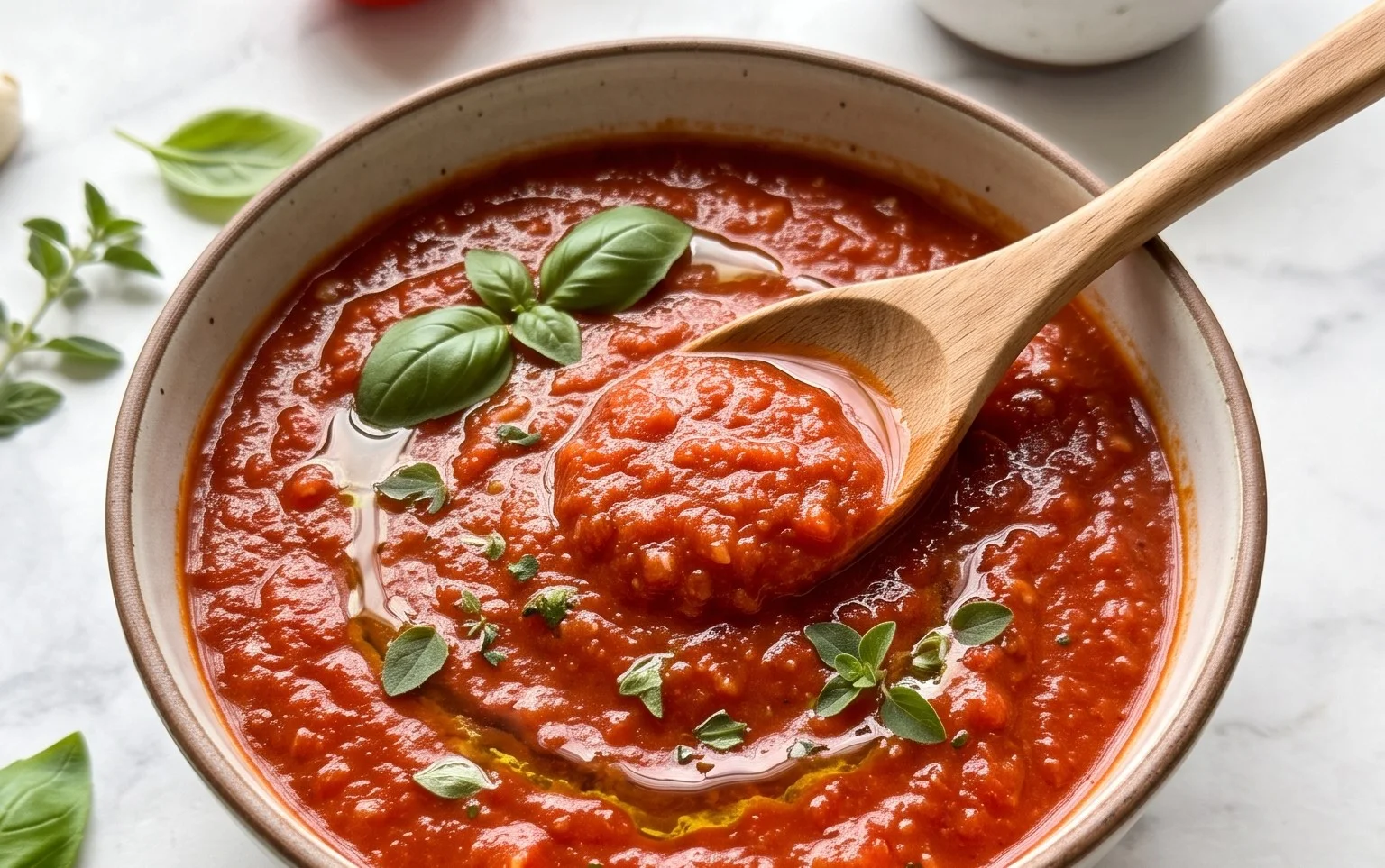
Homemade Marinara Sauce
There’s something incredibly satisfying about a truly homemade marinara sauce. Forget the jarred stuff; this recipe delivers a rich, vibrant flavor that will elevate your pasta, pizzas, and any dish calling for a delicious tomato base. Making marinara from scratch is surprisingly simple and rewarding, allowing you to control the quality of your ingredients and tailor the taste to your preferences. This recipe is my go-to for a reason: it’s straightforward, uses a handful of pantry staples, and results in a sauce that tastes like it simmered for hours, even though it doesn’t require that kind of time commitment. Let’s dive into creating this culinary classic.
Ingredients:
- 2 Tablespoons Olive Oil
- 3 cloves garlic (minced)
- 28 oz. can of plum tomatoes
- 1 bay leaf
- 1 teaspoon Italian seasoning
- 3-4 tablespoons fresh parsley (roughly chopped)
- ¼ teaspoon salt
Cooking Instructions:
Step 1: Building the Flavor Base
My marinara journey begins with gently warming the olive oil in a medium saucepan or Dutch oven over medium-low heat. It’s important not to rush this step; we want to coax out the aroma of the garlic without burning it. Add your minced garlic to the warmed oil. Sauté the garlic for about 1 to 2 minutes, stirring constantly. You’ll know it’s ready when it becomes fragrant and just begins to turn a pale golden color. If the garlic browns too quickly, it will impart a bitter taste to your sauce, so keep a close eye on it and adjust the heat if necessary. This fragrant garlic oil is the foundation of our delicious marinara.
Step 2: Introducing the Tomatoes
Once the garlic is fragrant, it’s time to add the star of our show: the plum tomatoes. For this recipe, I prefer using whole canned plum tomatoes because they offer a beautiful, consistent texture and sweetness. Carefully pour the entire contents of the 28 oz. can into the saucepan. Don’t worry about crushing them beforehand; we’ll take care of that in the next step. It’s also a good idea to add the tomato juice from the can as it contributes a lot of flavor and liquid to the sauce.
Step 3: Breaking Down the Tomatoes and Infusing Aromatics
Now, it’s time to break down the whole tomatoes. You can do this using a potato masher directly in the pot, or by using a wooden spoon to gently crush them against the side of the pan. Aim for a texture that’s no longer chunky but not completely puréed either – a rustic, slightly chunky consistency is perfect for marinara. Next, I add the bay leaf and the Italian seasoning. The bay leaf will infuse a subtle, earthy aroma into the sauce as it simmers, and the Italian seasoning brings a blend of classic herbs like oregano, basil, and thyme. Give everything a good stir to combine.
Step 4: Simmering and Developing Depth
Bring the sauce to a gentle simmer over medium heat. Once it’s simmering, reduce the heat to low, cover the saucepan partially, and let it cook. This simmering phase is where the magic happens. We want to allow the flavors to meld and deepen. I typically let my marinara simmer for at least 30 minutes, but if you have the time, an hour or even longer will result in an even richer, more complex flavor. Stir the sauce occasionally to prevent it from sticking to the bottom of the pot. During this time, the sauce will thicken and its vibrant red color will intensify.
Step 5: Finishing Touches and Seasoning
As the marinara simmers, the aroma filling your kitchen is absolutely divine. Once it has reached your desired consistency and the flavors have melded beautifully, it’s time for the final touches. Carefully remove and discard the bay leaf; it has done its job and can become overpowering if left in too long. Stir in the roughly chopped fresh parsley. Fresh parsley adds a burst of brightness and a lovely green contrast to the rich red sauce. Finally, season with the ¼ teaspoon of salt. Taste the sauce at this point and adjust the salt if needed. Some people like a pinch of sugar to balance the acidity of the tomatoes, or a dash of red pepper flakes for a little heat – feel free to experiment with these additions.
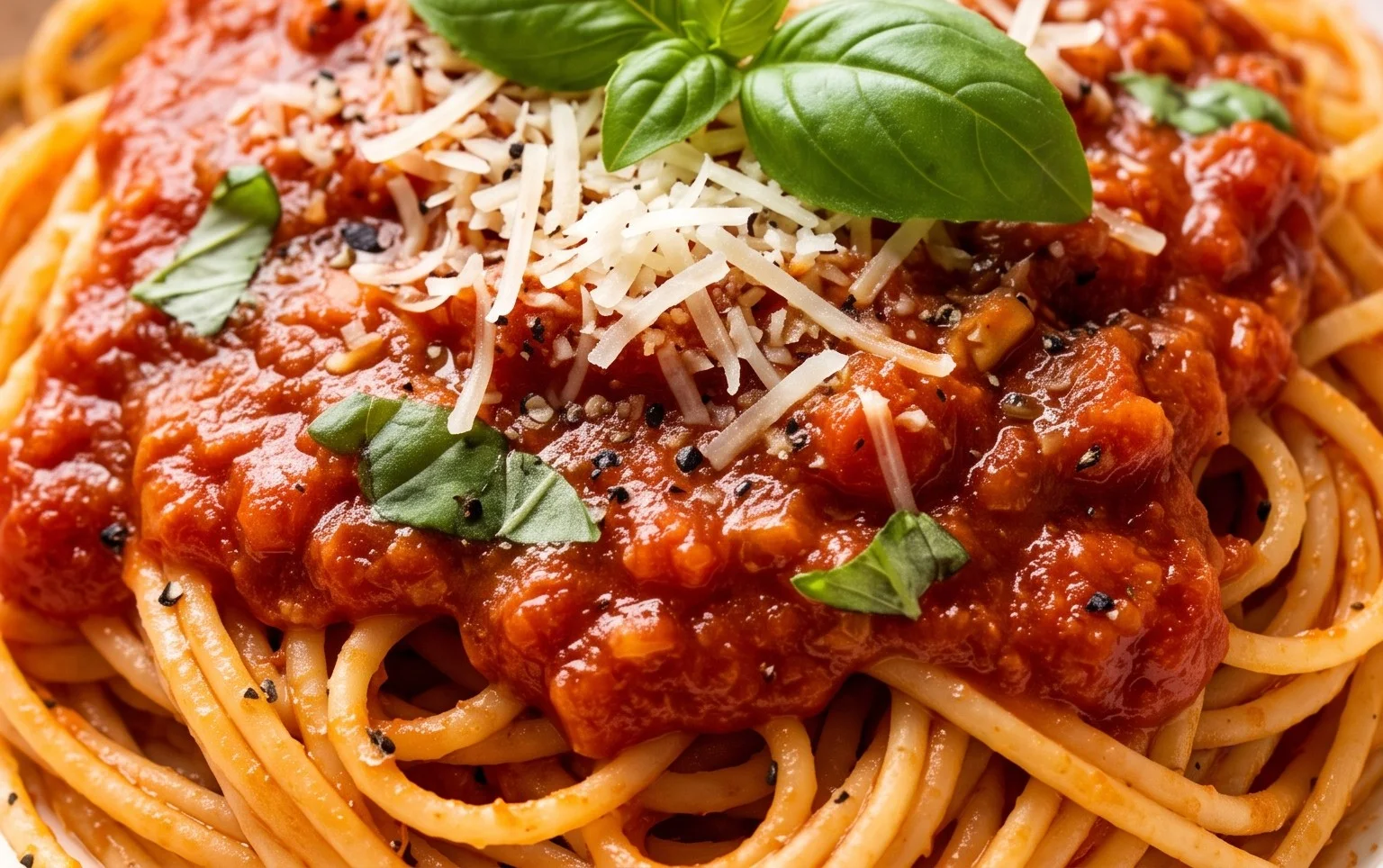
This homemade marinara sauce is incredibly versatile. It’s the perfect companion for your favorite pasta dishes, whether it’s a simple spaghetti or a more elaborate lasagna. It makes an excellent base for homemade pizza, or a flavorful dip for mozzarella sticks. You can also spoon it over grilled chicken or fish. Once cooled, store any leftovers in an airtight container in the refrigerator for up to 4-5 days, or freeze it for longer storage. Enjoy the taste of pure, homemade goodness!
Conclusion:
There you have it – your guide to creating truly exceptional homemade marinara sauce! This recipe is a game-changer because it allows you to control every ingredient, avoiding the preservatives and excess sugar often found in store-bought versions. The depth of flavor you achieve by simmering fresh tomatoes with aromatics like garlic and onion is simply unparalleled. It’s a versatile base that elevates so many dishes, making it a staple in my kitchen, and I’m confident it will become one in yours too. Don’t be afraid to experiment! This fantastic homemade marinara sauce is perfect for classic spaghetti and meatballs, layered into lasagna, drizzled over chicken or eggplant parmesan, or even as a dip for mozzarella sticks. Feel free to adjust the herbs, add a pinch of red pepper flakes for a little heat, or even a splash of balsamic vinegar for extra complexity. I truly encourage you to give this recipe a try; the satisfaction of serving your own delicious, vibrant marinara is incredibly rewarding.
Frequently Asked Questions:
Can I freeze this homemade marinara sauce?
Absolutely! This marinara sauce freezes beautifully. Let it cool completely, then transfer it to airtight containers or freezer bags, leaving a little headspace for expansion. It should last for up to 3-4 months in the freezer. Thaw it overnight in the refrigerator or gently reheat it on the stovetop.
How can I make my marinara sauce thicker or thinner?
To thicken your marinara sauce, simply let it simmer uncovered for a longer period, allowing excess liquid to evaporate. You can also mash some of the tomatoes against the side of the pot. If it’s too thick, add a little water, vegetable broth, or even a splash of your favorite red grape juice until it reaches your desired consistency.
Homemade Marinara Sauce
A simple and delicious homemade marinara sauce perfect for pasta and pizzas.
Ingredients
-
2 Tablespoons Olive Oil
-
3 cloves garlic, minced
-
28 oz. plum tomatoes
-
1 bay leaf
-
1 teaspoon Italian seasoning
-
3-4 tablespoons fresh parsley, roughly chopped
-
¼ teaspoon salt
Instructions
-
Step 1
Heat olive oil in a large pot or Dutch oven over medium heat. -
Step 2
Add minced garlic and cook until fragrant, about 1 minute, being careful not to burn it. -
Step 3
Add the plum tomatoes (crushing them with your hands or a spoon as you add them), bay leaf, and Italian seasoning. -
Step 4
Bring the sauce to a simmer, then reduce heat to low, cover, and cook for at least 30 minutes, stirring occasionally. -
Step 5
Remove and discard the bay leaf. -
Step 6
Stir in the fresh parsley and salt. Adjust seasoning to taste.
Important Information
Nutrition Facts (Per Serving)
It is important to consider this information as approximate and not to use it as definitive health advice.
Allergy Information
Please check ingredients for potential allergens and consult a health professional if in doubt.